


























Europeans are playing for African World Cup teams, and there’s nothing wrong with that
The rise of diaspora footballers shows the complexity of national identity

This summer we have witnessed the “diaspora World Cup”: almost a quarter of the players in this tournament were born in a different country to the national team that they play for (the majority qualifying by ancestral connections); this is the highest percentage in World Cup history.
Few teams encapsulate this dynamic more than Morocco – who beat the Netherlands in the round of 32 on Tuesday. There is a special irony in the fact that some of the Moroccan players were born and/or raised in the Netherlands, and thus were eligible to play for the Oranje. But they opted instead for their motherland. (Many of the players were also born and raised in Spain, Belgium and France).
In fact, the player who scored the winning penalty against the Dutch, Ismael Saibari, was born in Spain but raised in the Netherlands and has spent all of his senior career in the Dutch league.
Morocco is not unique in integrating the diaspora into the national team. The Democratic Republic of Congo (who lost to England in the round of 32) and Curaçao are other notable examples of teams where the majority of their players come from the diaspora.
As an Anglo-Nigerian, I remember a time when the Nigerian football team barely had anyone who was born and raised in Europe playing for them.
Now it is quite normal, on both the men’s and women’s teams, to have numerous diaspora players who were born and raised in different countries.
Historically, it used to be the case that African players were often called up to play for their colonial mother country before their countries’ independence, since Fifa didn’t officially recognise their homelands.
For example, Larbi Benbarek, recognised as one of the first great African footballers, despite being born and raised in Morocco and not possessing a French passport, was called up to represent France 17 times.
But now this trend has reversed; the former colonies are now recruiting from the metropole.
Footballers choosing to play for the country of their heritage rather than their birth violates Norman Tebbit’s “cricket test”, which posited that the best way to detect the loyalty of second-generation immigrants was whether they supported their country of birth or their country of their parentage in sports.
It seems like a reversal of the expected and natural assimilation process. Second-generation migrants are supposed to identify more with the country of their birth than their parents precisely because they were born, or at the very least raised and socialised, on its soil.
But football reflects the fact that national belonging has become de-territorialised. Those in the diaspora can participate in the “imagined community”, to use Benedict Anderson’s phrase, of the nation of their heritage even if they have barely laid eyes on it, thus bypassing the traditional assimilation process.
Second-generation players choosing to play for their ancestral national football team and federations scouting and trying to recruit from the diaspora is a version of that.
Relations between diasporans and homelanders are not always cosy. But sport is an effective tool for integrating the two. As the Walid Regragui, the former Moroccan head coach, said in the last World Cup in Qatar in reaction to his team’s great performances: “Before this World Cup, we had a lot of problems about the guys born in Europe and guys not born in Morocco [...] Today, we have shown that every Moroccan is Moroccan.”
Ever since I was young I have been asked if I had the chance who would I play for: England or Nigeria? Maybe the answer expected of me is England. But I can’t pretend that there isn’t a scenario where I wouldn’t have chosen the green and white of the Super Eagles.
And seeing that others of a similar background to myself have walked that same path would have encouraged me. My slight evasiveness to this question is symptomatic of the fact that my “dual heritage” is so intertwined that it’s very hard to separate them.
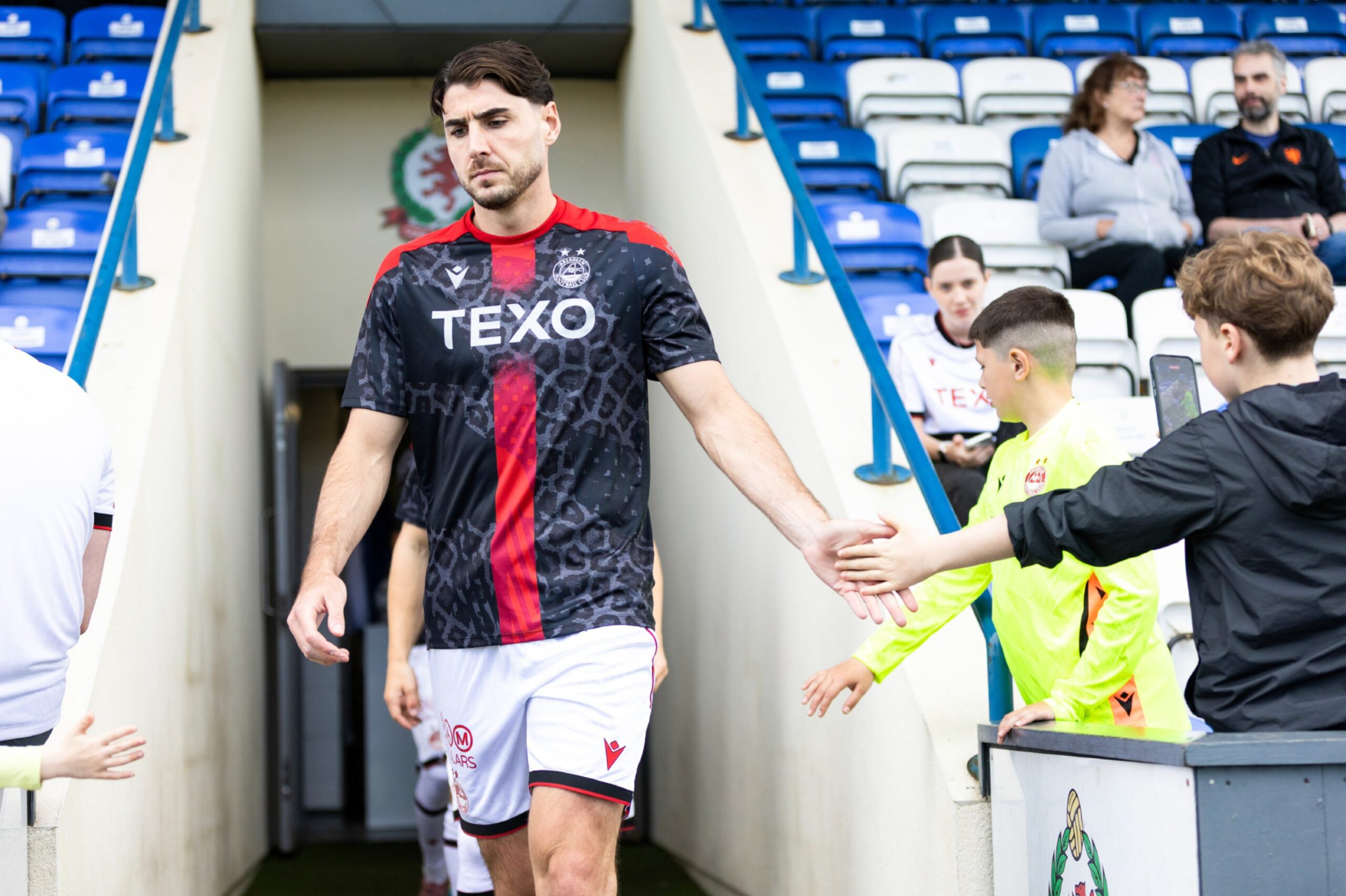
This means I can very much understand why Ayyoub Bouaddi chose Morocco despite representing France at youth level, or why Antoine Semenyo chose Ghana rather than England. They have hybrid identities. Their connection to their country of heritage is rooted in parents, family, language, religion, cultural values and their sacrifice. There is a sentimental impulse that one can’t reasonably expect to go away.
At the same time, their everyday life – in school, friendships, sense of humour, civic institutions – is French, Dutch or Belgian. These are not contradictory.
Just as Kobbie Mainoo or Declan Rice playing for England is not a rejection of their respective Ghanaian and Irish heritages, but a demonstration that their Englishness is also an important thread in forming the person that they are.
National teams are still powerful symbols of a nation, but of nations that are no longer bound by borders.
[Source: Daily Telegraph]