






/file/dailymaverick/wp-content/uploads/2023/10/CovidGrant-1.jpg)




































Seven surprising health benefits of saffron, from weight loss to better sleep
Growing evidence suggests this ancient spice can play a role in treating a wide range of health conditions
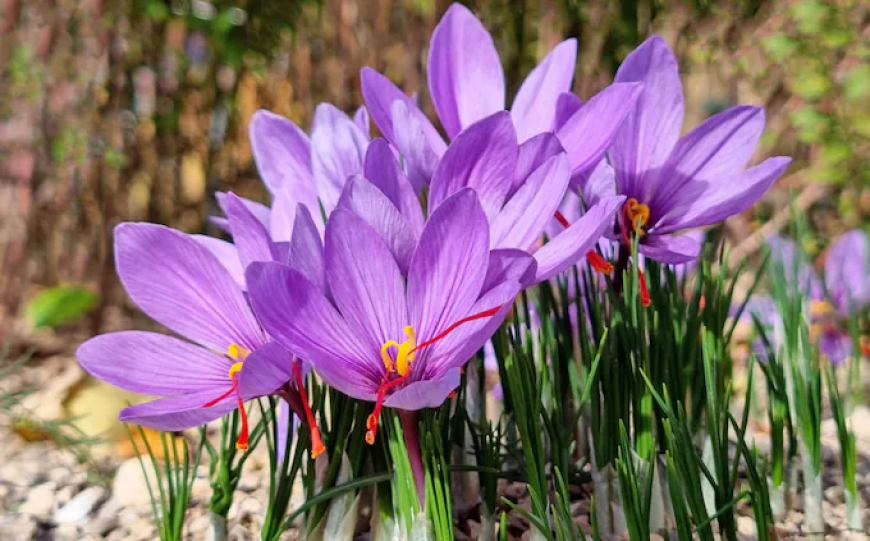
If you’re a fan of saffron-scented, golden-tinted food and drink, you may be doing your wellbeing – along with your tastebuds – a favour. The latest research supports what the ancients firmly believed: that spice racks were also medicine cabinets, with saffron among the most prized remedies.
Widely enjoyed today in a range of sweet and savoury foods and beverages, from rice dishes to yogurt-based drinks, this luminous spice has been used as a remedy for some 4,000 years across cultures from the Greco-Roman world to India. Studies now suggest that their faith in the spice was not misplaced, as mounting evidence shows it may help treat a range of health issues, from menopausal symptoms to high cholesterol.
What is saffron?
The gorgeous cup-shaped purple flowers of Crocus sativus contain three reddish-orange stigmas that yield saffron, which is rich in crocin, picrocrocin, safranal and crocetin. These compounds account for saffron’s intense aroma, lend a distinctive musky, bittersweet flavour to dishes, and are also thought by scientists to underpin its potential health benefits.
Iran, Afghanistan, India and Spain now supply most of the world’s saffron, but at one time England produced some of the most prestigious in the world. It’s unclear how saffron first arrived in Britain, but for centuries we sustained a thriving trade, preserved in the name of the town Saffron Walden. But by the 19th century Britain’s saffron industry had faded, though premium-tier saffron is still grown here on a small scale.
Saffron is well known to be the most expensive spice in the world, but why? “It’s still hand-picked, and the stigmas are carefully removed,” explains Sam Bilton, historian and author of Fool’s Gold: A History of British Saffron (Prospect Books, 2022). “There are no shortcuts that I am aware of, and this aspect of the process has not altered in centuries.” With around 150–200 flowers needed to produce a single gram of culinary saffron, and with each stigma harvested and dried by hand, the price is not surprising, typically retailing for between £10 and £15 per gram for the highest grade.
What are saffron’s health benefits?
There’s a growing mountain of evidence that suggests saffron and/or its active compounds can play a role in supporting a wide range of health conditions.
1. Anti-cancer
Some of saffron’s bioactive compounds – notably crocin and crocetin – have shown anti-cancer effects in some laboratory and animal studies. These compounds appear to interfere with the processes that cancer cells rely on to grow and spread, including in leukaemia, breast and colorectal cancer.
But it’s not yet clear whether saffron can be used successfully in cancer treatment. “Many reviews still indicate that more large-scale human clinical trials are still needed to confirm these effects,” says registered nutritionist Valentina Cartago.
2. Weight management
“There is some evidence that saffron could modestly support appetite control and weight management,” says Cartago. One 2020 analysis of human studies, published in Complementary Therapies in Medicine, found that supplementation with saffron resulted in a “significant reduction” in waist circumference and improved blood sugar management among those who took part in trials.
“It’s important to note that these effects are modest and definitely not a substitute for diet and lifestyle changes,” Cartago says. “But they do suggest saffron could potentially play a role in supporting satiety and eating behaviour.”
3. Depression and anxiety
There’s evidence that saffron can ease the symptoms of depression and anxiety, according to a recent scientific review. “It showed similar effects to prescription antidepressants and greater effects than a placebo,” says Rachael Frost, a senior lecturer in Health and Social Care at Liverpool John Moores University, who researched saffron in a study on over-the-counter supplements. “In the review of supplements for anxiety, saffron was tested in three trials and showed better effects than placebo in all trials.”
The same brain pathways involved in mood are also involved in attention and impulse control, which may explain why researchers have also begun exploring whether saffron may be useful in supporting people with ADHD. In small clinical trials involving children and adolescents, saffron extract was linked to improvements in some ADHD symptoms, including inattention and hyperactivity. Larger trials are still needed to confirm these findings.
4. Insomnia and poor sleep
A recent review published in the journal Sleep Medicine found that a saffron extract – 28mg daily for four weeks – was associated with “significant improvement” in insomnia severity, sleep quality and restorative sleep compared with those taking a placebo. However, the two studies included in the review were small.
5. Menopausal symptoms and reproductive health
Although there’s no evidence saffron directly affects hormone imbalance, it may help ease menopausal symptoms, including low mood, anxiety and poor sleep, says Dr Laura Wyness, a registered nutritionist and author of Eating Well for Menopause. Saffron also appears to reduce the severity of premenstrual syndrome (PMS), including mood swings, irritability, breast tenderness and bloating, and may also help relieve menstrual pain, she says.
But Dr Wyness urges caution. “Although some of the evidence on saffron supplements seems quite promising, particularly in terms of helping with low mood, poor sleep and PMS, more research is needed to check its safety when used for more than a few months.” Scientists also need to better understand how saffron may impact individuals differently, she says.
6. Eye health
The ancient Romans used saffron to treat eye complaints, and now it seems they were onto something. Cartago says the evidence is “small but consistent” that saffron may help in the treatment of age-related macular degeneration and potentially slow the progression of the disease. It seems that crocin, in particular, may help protect cells in the retina from inflammation and damage.
“Even though studies are small, results have been replicated enough that we could say that saffron may help support eye health as we age,” she says.
7. Cardiovascular health
This is an area with some of the strongest evidence supporting saffron’s potential health benefits, says Cartago. A major review of more than 30 clinical trials, involving over 1,600 people, has found that saffron supplements may bring small improvements in several markers linked to heart and metabolic health.
Across the studies, people taking saffron saw modest reductions in blood sugar levels, total and so-called “bad” LDL cholesterol, triglycerides (types of fat found in the blood), blood pressure and waist circumference. Some measures of inflammation and oxidative stress (a kind of cell damage) also improved.
“Having said that, it is important to keep in mind that authors consistently note that saffron supplements are not a replacement for medical treatment,” Cartago adds.
The best ways to consume saffron in food
“Regular use across your meals could modestly contribute to antioxidant intake,” says Cartago. Among these antioxidants – compounds that help protect cells from damage – are carotenoids (including crocin and crocetin, which give saffron its deep orange colour). Carotenoids support immune function and eye and cardiovascular health. “Saffron’s carotenoids are fat-soluble, so it may be helpful to consume it with a meal containing fat,” Cartago suggests.
In practical terms, that could mean stirring saffron into a risotto – infuse the threads in warm water first to aid absorption – finished with olive oil or butter. Try folding it through steamed potatoes drizzled with olive oil, or using it in a seafood paella. Saffron tea is also a good option, says Cartago, as is Kesar Lassi, the classic Indian yogurt drink. “The dairy could support absorption of carotenoids,” she says.
What about saffron supplements?
Almost all research into the health effects of saffron uses concentrated extracts rather than culinary threads. In these studies, a daily dose of 15-30mg of saffron extract – not of the spice itself – is considered safe and is the amount most commonly used in high-quality trials, says Cartago. “Some research has trialled up to 100mg per day and found a positive effect on sleep; however, above 50mg per day you may want to consult a health practitioner.”
Saffron supplements are widely available online and in health food shops and are generally much less expensive than the culinary version. That’s because the tablets and capsules contain minute, concentrated extracts, so the amount of raw saffron needed per capsule is very small. But it’s important to check the label, as not all saffron supplements are the same. A good-quality product should state the percentage of active compounds – such as crocins or safranal – or give a clear extract ratio (for example, 10:1). Or they can name a standardised extract on the pack, such as Lepticrosalides, rather than simply listing a vague amount like ‘30mg saffron’. Without these details, you can’t be sure what you’re buying.
Dr Wyness recommends that everyone should check with their GP or pharmacist before taking saffron supplements to check on any potential side effects or interactions with medications they may already be taking, especially antidepressants.
Verdict: Is saffron good for you?
Saffron may be prized for its golden colour and delicious flavour in cooking, but emerging science suggests it can also play a role in treating an array of health conditions. Researchers link its antioxidants and other health-giving compounds to improvements in mood, sleep, cardiovascular and eye health, and even certain cancers, although more research is needed to confirm these effects.
The clearest evidence comes from trials using saffron extracts, which are available over-the-counter for far less than the deep orange-red threads used in cooking. But nutritionists say adding saffron to your cooking pot has health benefits too. “Saffron is a tasty and valuable spice with emerging health benefits, but it works best as a part of a wider healthy diet rather than a standalone solution,” says Cartago.
[Source: Daily Telegraph]