/file/attachments/2996/04ED_610405_518242.jpg)


/file/dailymaverick/wp-content/uploads/2023/10/CovidGrant-1.jpg)

















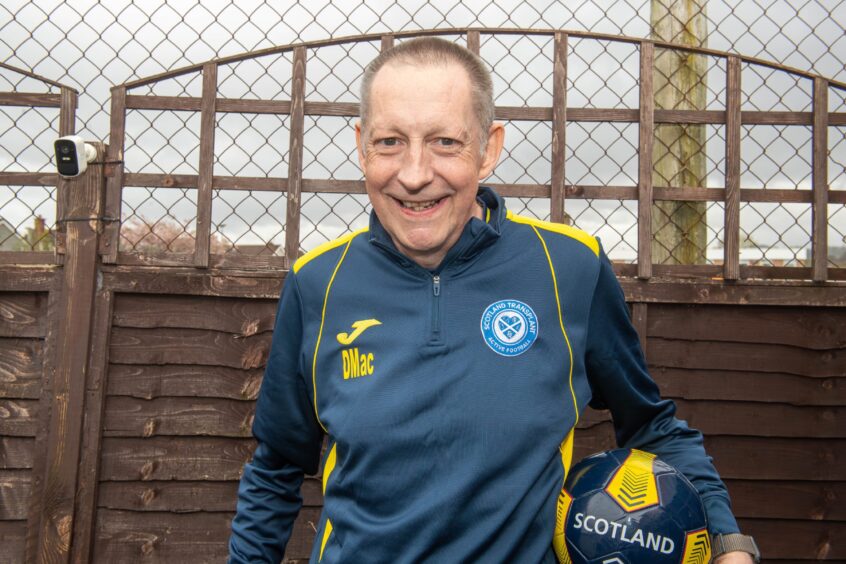
‘I had a heart transplant, and made a transplantee football team to honour the memories of our donors’
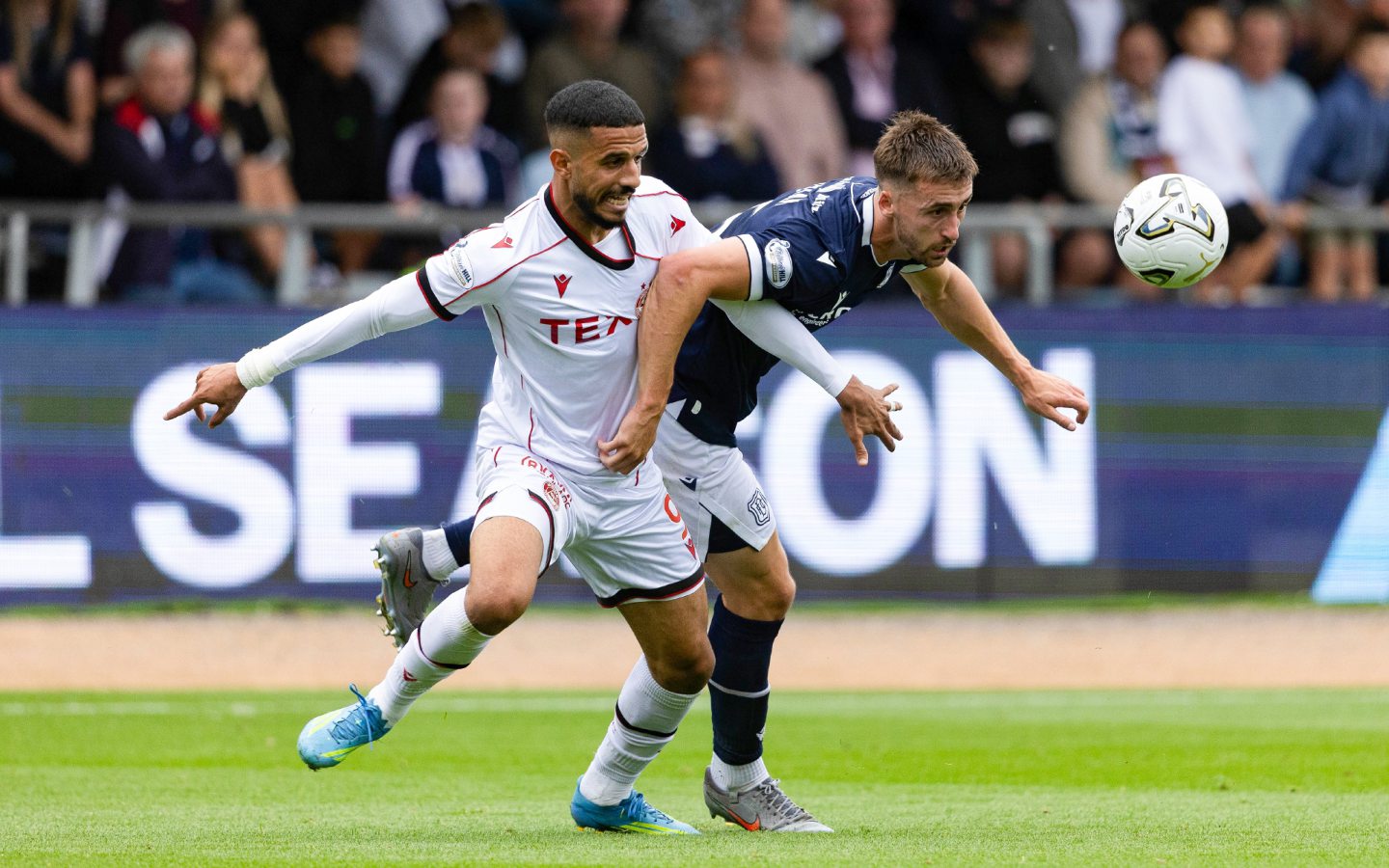
Duncan, from Inverness, created the Scotland transplant football team out of gratitude for his new heart and lease of life. He's organised a Four Nations championship at Ross County in May.
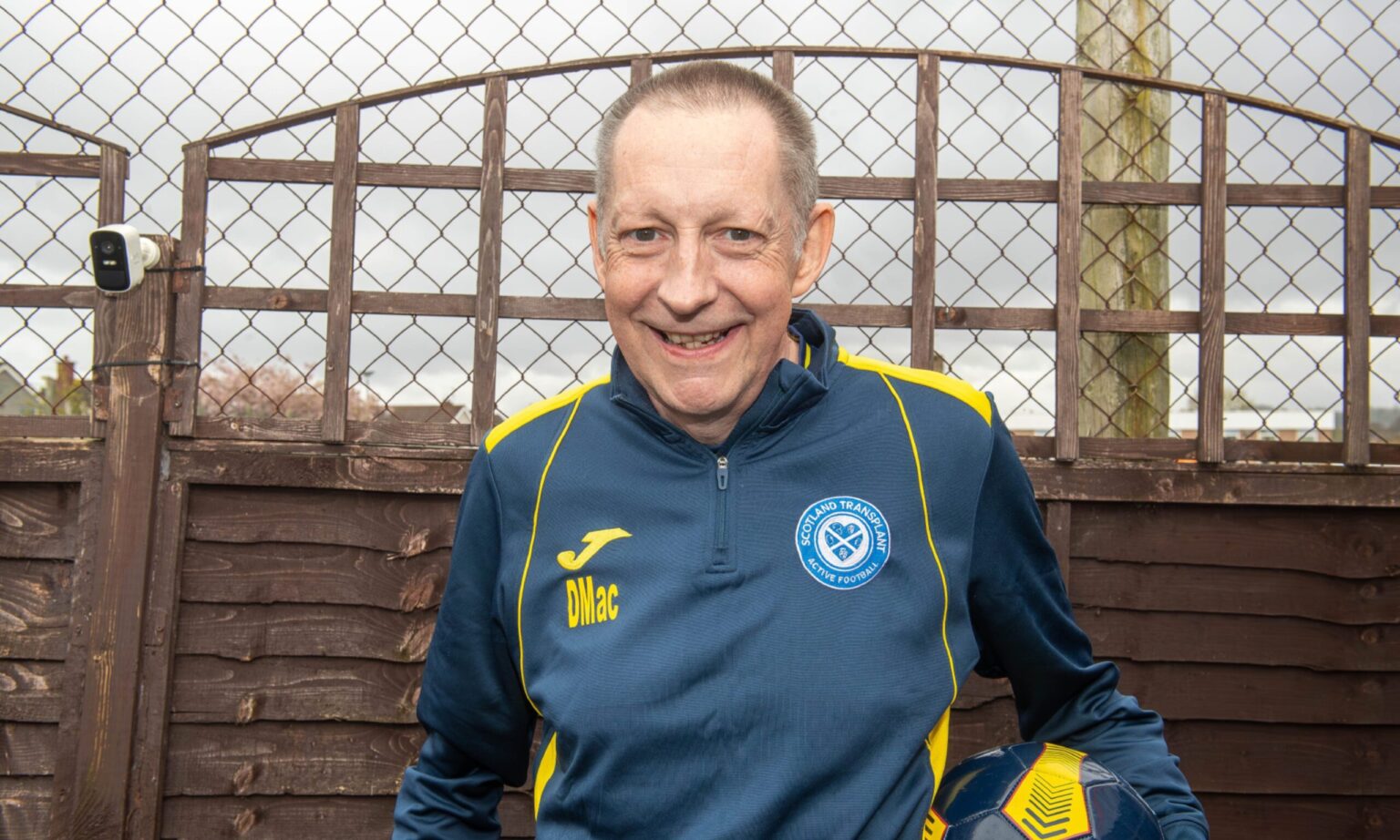
When he woke up in intensive care, Duncan MacAulay from Inverness remembers feeling a profound sense of gratitude and thinking how lucky he was.
Those feelings have never left him since his recovery from a heart transplant in February 2023.
“It completely changes your perspective on things,” he says.
Determined to make the most of his second chance at life, keen sportsman Duncan has thrown himself into making competitive football an option for other Scottish transplant recipients.
The result is the Scotland Transplant Football Team, of which Duncan is president, and they’re already flying high, having qualified for the Transplant World Cup in Frankfurt in September.
The team’s current focus is the Four Nations Transplant Football Championship Duncan has organised to take place at Ross County on the last weekend in May.
It’s an extraordinary achievement for Duncan, 58, who for five years struggled with worsening heart health.
It got so bad he needed a defibrillator implanted in his shoulder to kick in every time his heart stopped.
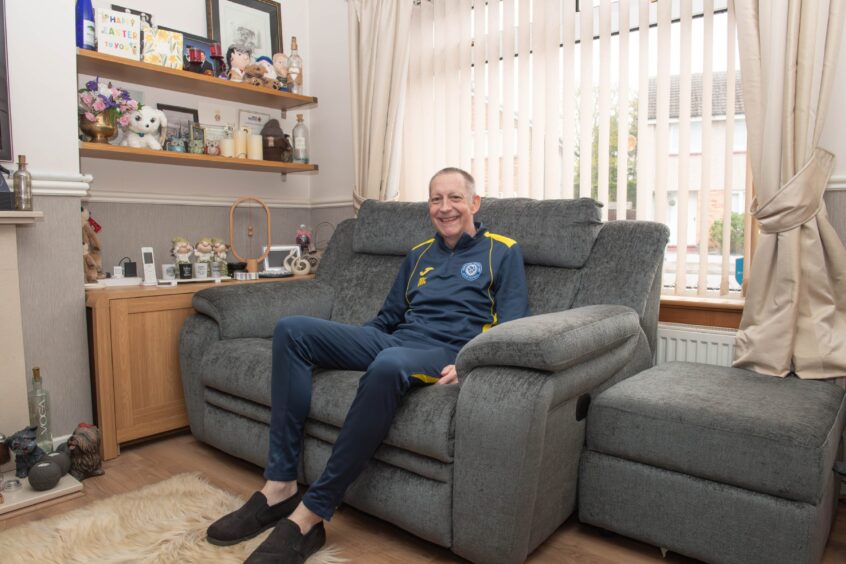
Duncan, who works for Scottish Fire and Rescue Service as operational communications manager, took a while to accept his worsening health.
He had been very fit, running daily up to 100 miles a week.
In 2019 he started to struggle with his fitness.
He said: “At first I thought I had overtrained, I had been pushing a little too hard.
“I was breathless and tired and that was a big change for me.
“Eventually I got diagnosed with heart failure at Raigmore Hospital.
“It was very much a shock to the system, I couldn’t believe it.”
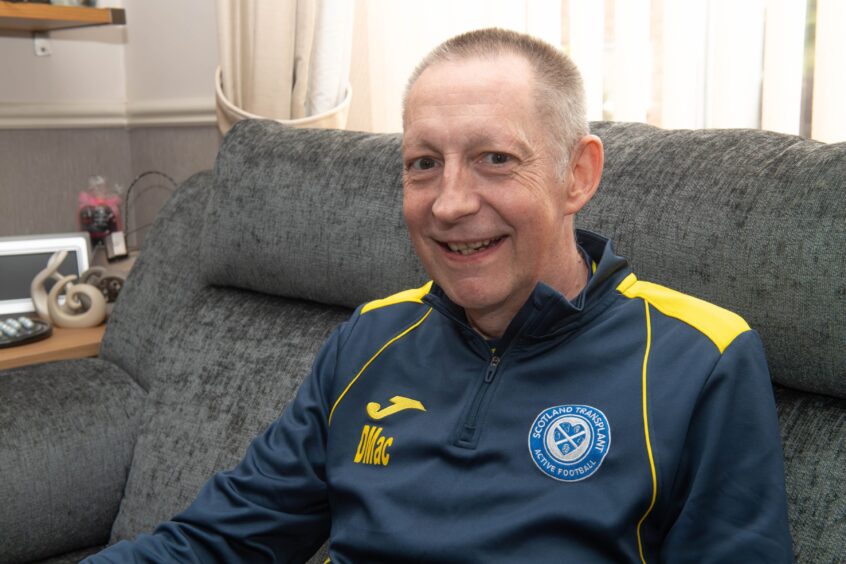
Duncan’s care was transferred to the NHS Golden Jubilee Hospital in Clydebank.
Even then, he didn’t fully understand the seriousness of the situation.
Duncan said: “They said they wanted to monitor me for a period of time, and I ended up in a ward surrounding by people waiting for heart transplants.
“I’m a very optimistic person and I was thinking what can I do to make this better and deciding to train around it.”
But Duncan’s positive attitude wasn’t enough.
Three years later he started to go into regular cardiac arrest.
“I began to think maybe I was in trouble,” Duncan says.
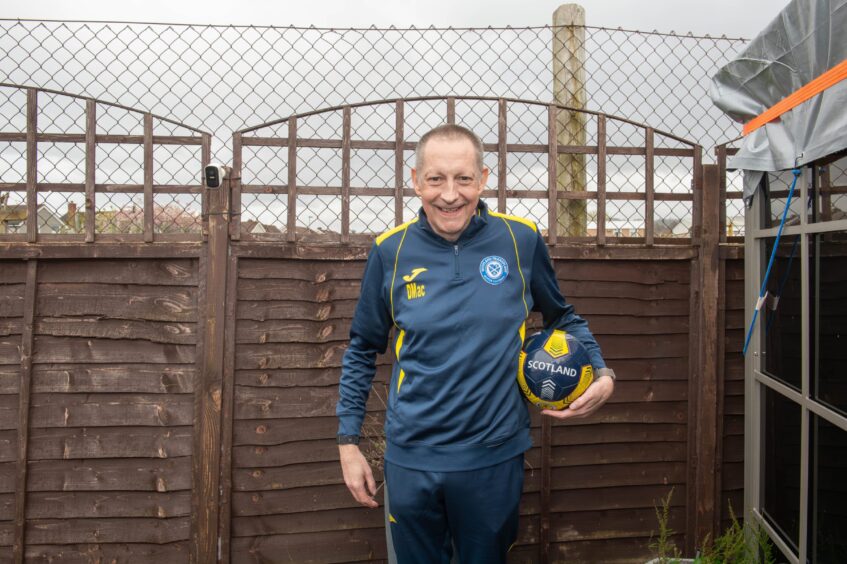
His diagnosis was dilated cardiomyopathy, and those heart-stopping episodes are known a ventricular defibrillation.
“My heart rate would go that high and eventually stop because the chambers of the heart weren’t working together particularly well. ”
Duncan would collapse anywhere, including in meetings he was chairing.
He said: “When I look back on Teams meeting recordings during Covid, I’d just disappear from the meeting.
“Sometimes people didn’t even realise.
“There was no real drama about it, the defibrillator would activate, I’d pick myself up and go back to the meeting.”
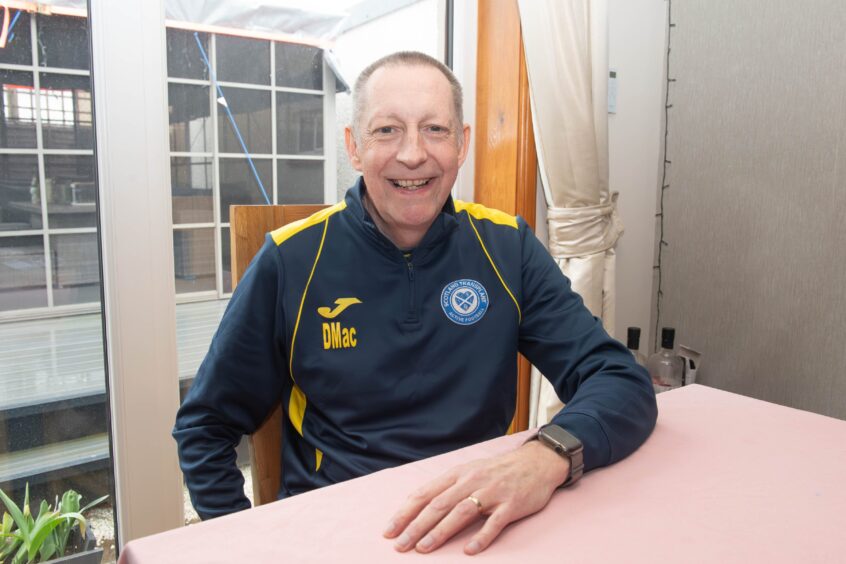
Golden Jubilee then suggested Duncan had a heart transplant, and he realised that something needed to be done.
“I realised that going into ventricular failure and having the heart stop so often couldn’t go on, it was becoming tougher for my wife and family.”
Things moved quicker than Duncan anticipated.
“I thought that knowing there were a lot of people waiting for heart transplants it would take a long time.
“But because I’m average height and weight, it happened very quickly.
“I still remember the call from the hospital telling me that they had a heart for me, it was quite strange.”
Shortly afterwards Duncan was in an ambulance on his way to the Golden Jubilee Hospital.
The transplant took place on the Friday night, and Duncan was brought round on the Sunday morning.
“I could tell that things felt better. You realise the difference this has made for you almost immediately,” he said.
“I don’t think you ever quite get back to the full fitness you had before, but certainly in terms of quality of life and being able to extend life, it has made a phenomenal difference.”
During his recovery, Duncan noticed by chance that there was to be a Transplant Football World Cup in 2024, with UK home teams taking part.
Then he became aware that there was no Scotland team.
“It really surprised me. I couldn’t understand it, and I also saw it as an opportunity to perhaps promote organ donation to help others and also to do something for our donors to honour their memories.”
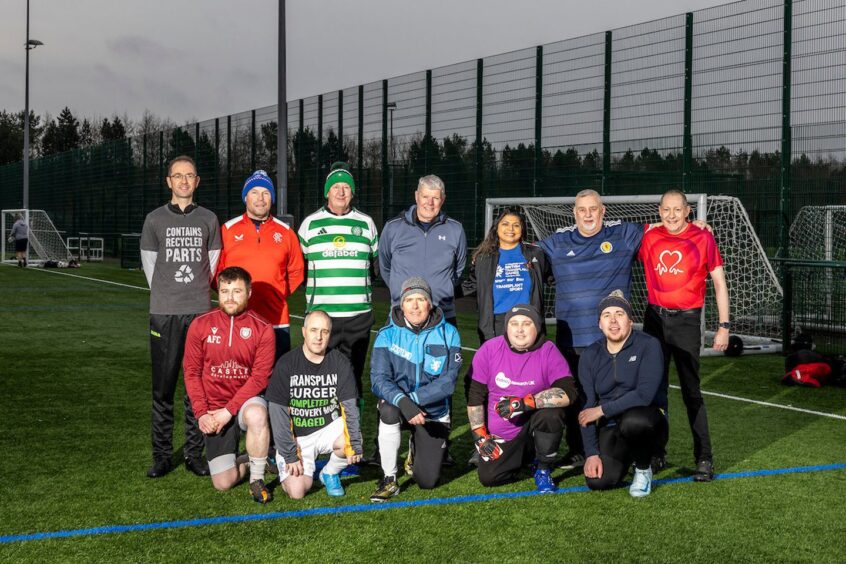
Duncan’s first step was to contact Transplant Sport and then get the ball rolling with a Facebook page to invite transplant recipients who wanted to play for their country.
“It was as basic as that,” he said. “Initially we got four or five people and we had a training session where we invited families, those who had been through the transplant experience with us. It was a very special event.”
Now it’s grown and there are more than 20 transplant recipients playing.
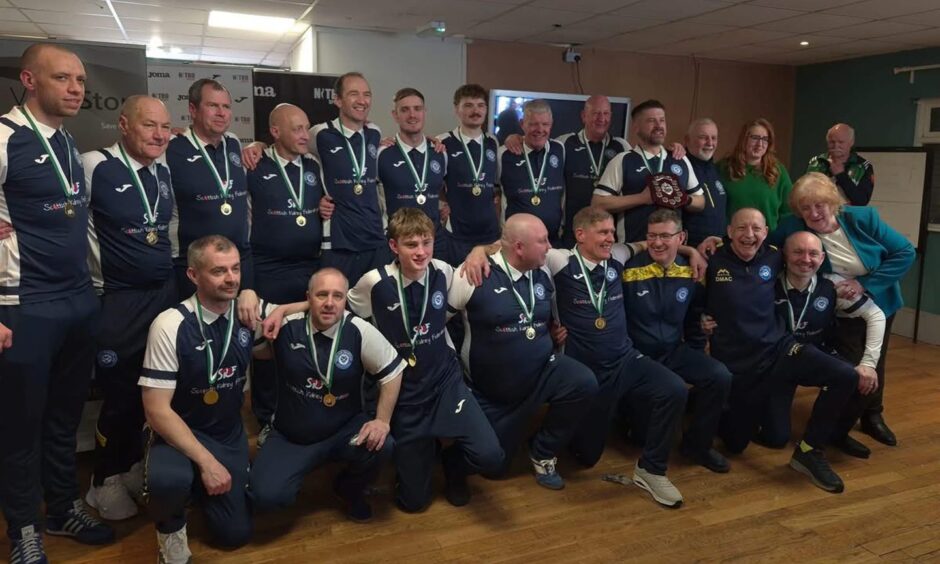
In March, the team won the inaugural Tri-Nations Gift of Life shield in Dublin and there’s competition for places in the 16 strong squad.
“It’s 7-a-side we play,” Duncan said, “so we are able to put in substitutes.
“People recovering from transplants are not going to have the level they had before but it allows them to compete.
“Some of them played football before and it allows them to come back and join in the sport they loved and enjoyed previously.”
The current team is aged 16 to 64, and includes one female, from Glasgow.
Duncan said: “We’re keen to encourage the setting up of a women’s team but it’s been difficult to find the players.
“It’s early days, we’ve only been going about 18 months.”
Duncan is also disappointed by the lack of Highland players in the team, which prompted his next inspiration.
“I wanted to showcase transplant football in Scotland and it seemed to make sense to do it in my local area in the hope that we may encourage transplant recipients in the Highlands to join us.
“So I approached Steven Ferguson, the CEO of Ross County to see if they would be willing to help us host a major international transplant football event, and to my surprise he said yes almost immediately.
“I’m so grateful to him for taking that leap of faith.”
The senior management team at Ross County put their shoulders to the wheel, and the Four Nations championship will take place from Friday May 29 and Saturday May 30 in Ross County’s 6,500 seater stadium near Dingwall.
Entry is free, but donation to an organ donor charity is welcomed.
Duncan said: “I can’t really praise them highly enough for what they’ve done, from me almost cold-calling them to taking the tournament in a few weeks’ time and allowing us to play on the main pitch.”
After that, the team will be preparing for the Transplant World Cup in Frankfurt from Sunday September 13 to Friday September 18.
As a result of all he’s been through, Duncan has met and bonded with many individuals and families going through the same traumatic experiences.
He said: “The key people in all this are the donor families.
“You really can’t imagine how difficult it must be when you’re going through a bereavement to have people coming round and asking would you be willing to donate organs to save other people?
“That has to be one of the toughest things.
“I was given the option to write to my donor family which I did almost immediately to express my gratitude.
“They are under no obligation to reply. So far they haven’t which I totally understand.”
[Source: Press and Journal]